Removing snow and ice from your vehicle before driving improves visibility and helps prevent frozen debris from endangering other drivers. In some states, failing to clear your car properly can also lead to fines. The tips below explain how to clear snow and ice efficiently and safely before you hit the road.
At a glance: Clear these areas before driving
- Roof
- Windshield and rear window
- Side windows and mirrors
- Headlights and taillights
- License plate
1. Use Your Defrosters
The warm air will help melt the snow and ice faster. As soon as you start your car, turn on your front and rear defrosters as you start clearing. Read our guide on defogging your windshield for more guidance on how to use your defrosters.
2. Give Yourself Time
Clearing snow and ice can take longer than expected, especially if your car has been sitting through heavy snowfall or freezing temperatures. Rushing the process increases the risk of missed ice, reduced visibility and unsafe driving conditions, so be sure to allow extra time to fully clear your vehicle before hitting the road.
3. Be Careful With Your Wipers
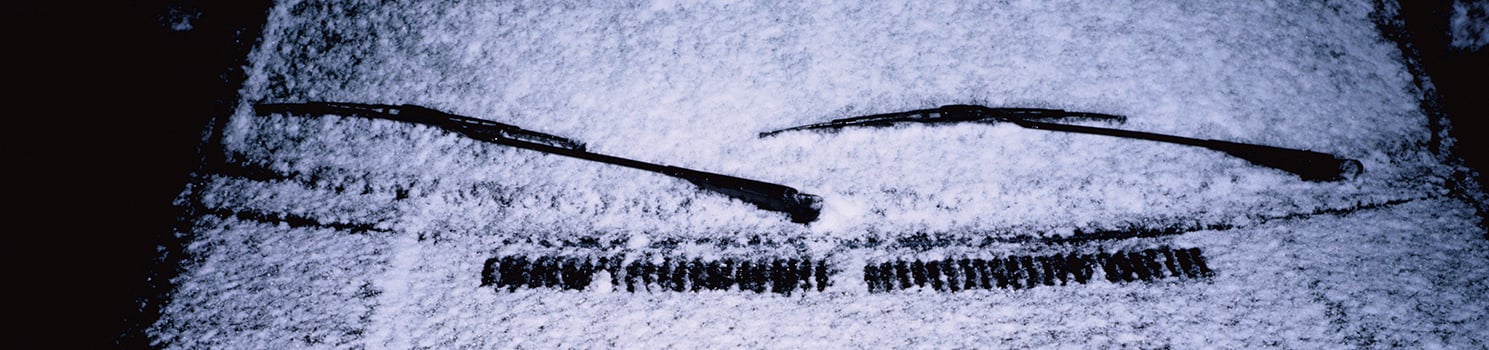
Pulling on frozen windshield wipers can damage the rubber blade or weaken the arm’s mechanism. Instead, use an ice scraper to chip away at the ice and give the car defroster time to do its job.
4. Avoid Hot Water
Pouring it on ice-cold glass can cause the glass to break. As tempting as it may be, spare your windshield the hot water and stick to an ice scraper and brush. If you really need a little extra help, consider the next hack.
5. Use a deicing spray
Commercial-grade sprays—or a homemade mixture of water and isopropyl alcohol—can make the job faster and easier. Save yourself some time by spraying a thin sheet of deicer over all windows of your vehicle.
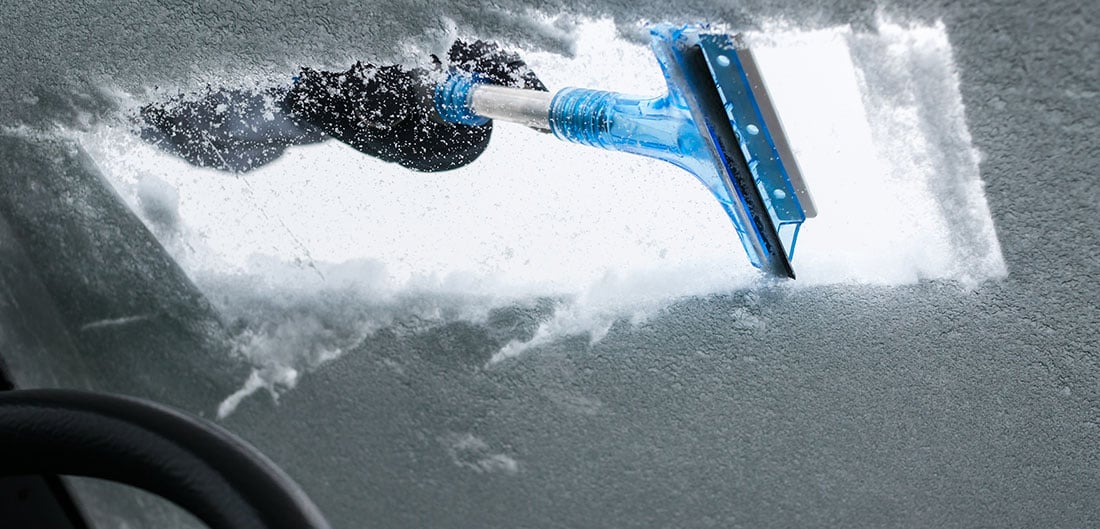
6. Use a Proper Snow Brush
Shovels and other brushes not marketed for safe use on cars can leave behind scratches. Investing in a brush with soft bristles and keeping it in your car is a must for the winter.
7. Start From the Top
Clear snow off the roof of the car first and work your way down, as clearing the top part of the car later could undo the work you did on the bottom half. Make sure to clear the roof as well to help keep you and other drivers on the road safe from flying ice and snow.
Preventative Tips Before Snow and Ice Arrive
8. Put Plastic Bags Over Your Mirrors
Plastic bags can prevent snow and ice from building up, saving time and improving visibility in the morning. Grab a couple rubber bands to help secure them in place until you’re ready to drive, then remove them for ice-free mirrors.
9. Spray a Little Cooking Oil on Rubber Seals
Applying cooking oil on the rubber seals between your doors can help prevent them from freezing shut. Lightly coat a paper towel with oil and wipe it along the seals before freezing temperatures arrive, taking care not to overapply or get oil on interior surfaces.
10. Cover Your Windshield
This can help prevent ice from forming in the first place, reducing scraping time and improving visibility. Use a piece of cardboard, towel or folded sheet and secure it in place before temperatures drop, then remove it before driving for a clear start.
11. Park Your Car Facing East at Night
The rising sun can help get a jump start on melting the snow and ice. Make sure your car has an unobstructed path to the sky.
Preparing for Winter Driving
Preparing your car for winter weather is easier when you’re protected year-round. An ERIE Insurance agent can help you find auto coverage that fits your needs and budget.